
Love Data Week: Principles of Finding Data
In the world of research, finding the right data can be like searching for a needle in a haystack. It’s rare to stumble upon data that fits your needs perfectly. You’ll often need to tweak it, clean it up, and sometimes, you might not find exactly what you’re looking for. In this blog I hope to write my experience through the maze of data acquisition. First things first, be prepared to do some work on the data you find. It’s unlikely to be flawless straight away. You’ll need to fix errors and tidy it up to suit your needs.
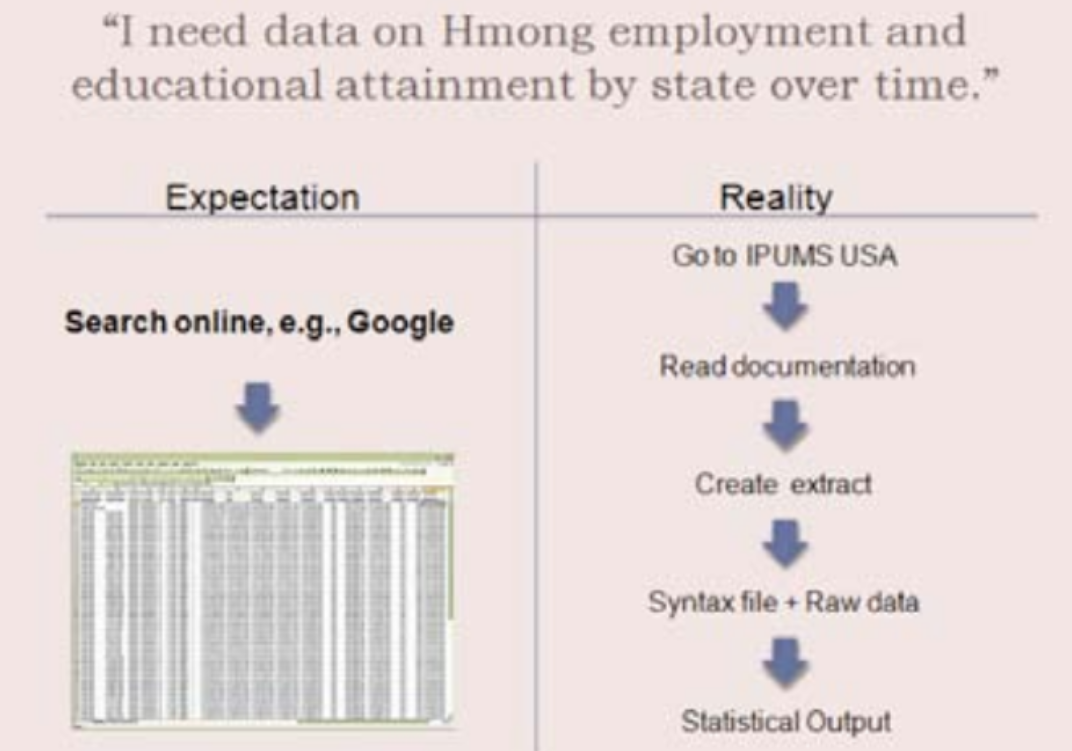
Remember, not all data exists, and even if it does, it might not have all the details you need. So, when you’re crafting your research question, make sure it’s clear and specific enough to be answered. Think about who you’re studying, what you’re studying, where it’s happening, when it’s happening, and how much data you need. These details will help you narrow down your search. To find data, look everywhere—from government agencies like NOAA, who gather lots of environmental data, to nonprofits like the OECD, private companies like Nielsen, and even academic repositories. When you use data in your work, always cite it properly. Just like you would with a book or an article, give credit to the people who created the data, mention when it was published, and provide a link if you can. If you’re having trouble finding data, try using a repository finder. These handy tools can help you locate open data sets based on what you’re studying and where you’re studying it. In the end, acquiring data is a crucial part of any research project. It might not always be easy, but with patience and perseverance, you’ll get there. In summary, finding the right data is like solving a puzzle. It takes time, effort, and sometimes a little luck. But by following these simple steps, you’ll be well on your way to uncovering the insights and answers you seek. Happy researching!